

Tourism and Hospitality in Nepal: Travel, Culture, and Adventure Guide
Tourism and hospitality in Nepal continue to attract travelers from around the world who are searching for adventure, cultural experiences, spiritual journeys, and peaceful natural destinations. Known for its Himalayan landscapes, ancient heritage sites, and welcoming local communities, Nepal has built a strong reputation as one of South Asia’s most unique travel destinations. Every year, millions of domestic and international visitors explore Nepal to experience everything from mountain trekking and wildlife safaris to spiritual tourism and relaxing hill retreats.
The growth of tourism and hospitality in Nepal has also transformed the country’s economy and local communities. Hotels, resorts, restaurants, transportation services, trekking agencies, and tour operators all play an important role in creating memorable travel experiences for visitors. As modern travelers increasingly seek meaningful and nature-focused tourism experiences, Nepal continues adapting its hospitality industry to meet changing travel expectations.
Whether visitors are trekking toward Everest Base Camp, exploring the temples of Kathmandu, or enjoying peaceful hill destinations like Bhedetar, Nepal offers experiences suitable for almost every type of traveler. This combination of adventure, culture, spirituality, and hospitality is one of the main reasons tourism continues growing rapidly across the country.
Why Tourism and Hospitality in Nepal Continue to Grow
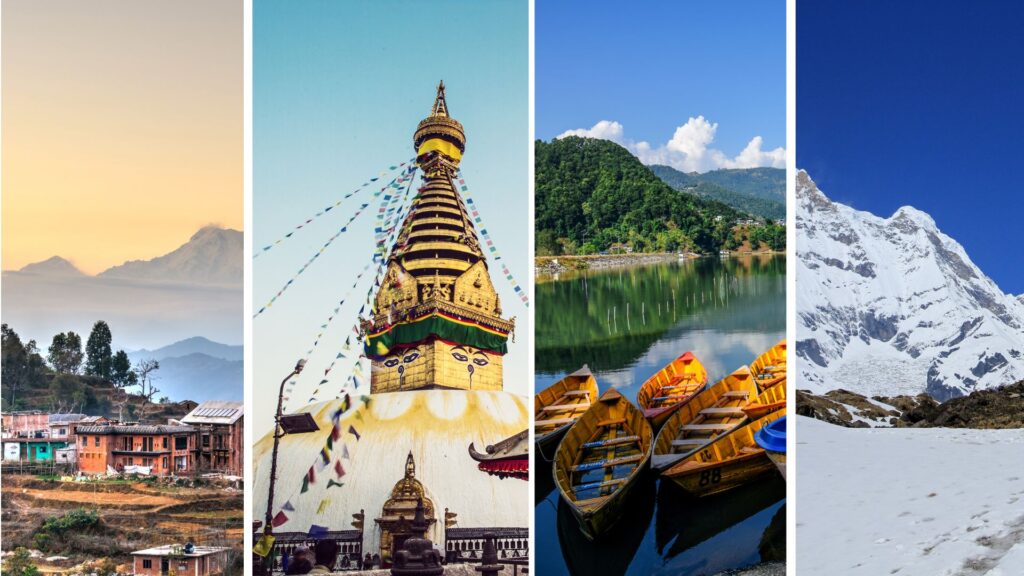
The tourism industry in Nepal has expanded significantly over the years because the country offers diverse travel experiences within a relatively small geographic area.
Travelers can experience:
- Himalayan mountain adventures
- Ancient temples and heritage sites
- Wildlife safaris
- Spiritual tourism
- Scenic hill stations
- Local cultural experiences
- Wellness and relaxation retreats
Few countries provide this level of diversity at such affordable travel costs.
The hospitality sector has also improved rapidly with the development of:
- modern hotels
- luxury resorts
- eco-lodges
- boutique stays
- online booking systems
- tourism transportation services
As tourism infrastructure improves, Nepal becomes more accessible for both domestic and international travelers.
Adventure Tourism and Hospitality in Nepal
Adventure tourism remains one of the strongest attractions for visitors traveling to Nepal. The country’s geography naturally supports outdoor activities and trekking experiences that are difficult to find elsewhere in the world.
Popular adventure destinations include:
- Everest Region
- Annapurna Region
- Langtang Valley
- Mustang
- Pokhara
Adventure travelers visit Nepal for:
- trekking
- mountaineering
- paragliding
- rafting
- mountain biking
- zip-lining
- bungee jumping
The hospitality industry plays an important role in supporting these experiences through:
- trekking lodges
- guided tours
- transportation
- equipment support
- local guides and porters
Without strong hospitality services, adventure tourism would be much more difficult for travelers to experience safely and comfortably.
Trekking Experiences Supporting Tourism and Hospitality in Nepal
Trekking routes across Nepal rely heavily on local hospitality services. Tea houses, guesthouses, mountain lodges, and local restaurants support thousands of trekkers every year.
Many trekking regions now offer:
- Wi-Fi services
- comfortable accommodation
- local and international food
- guided trekking packages
- emergency support systems
This combination of adventure and hospitality helps Nepal remain one of the world’s top trekking destinations.
Nepal’s Rich Cultural Heritage and Travel Experiences
Nepal’s rich cultural heritage is another major reason tourists visit the country. Ancient temples, traditional architecture, local festivals, and UNESCO World Heritage Sites create unique travel experiences for visitors.
Some of the most popular cultural destinations include:
- Kathmandu Durbar Square
- Bhaktapur Durbar Square
- Patan Durbar Square
- Swayambhunath
- Boudhanath
- Pashupatinath Temple
Cultural tourism also supports local businesses such as:
- handicraft shops
- local restaurants
- tour operators
- hotels and homestays
The hospitality sector helps preserve cultural tourism by providing visitors with opportunities to experience traditional Nepali lifestyles and local hospitality.
Spiritual Tourism and Hospitality in Nepal
Spiritual tourism continues attracting visitors from India and many other countries. Nepal is home to important religious destinations for both Hindus and Buddhists.
Major spiritual destinations include:
- Lumbini
- Muktinath
- Janakpur
- Pashupatinath
- Boudhanath
Pilgrims and spiritual travelers often seek:
- peaceful environments
- traditional hospitality
- guided tours
- nearby accommodation
- cultural experiences
As spiritual tourism grows, many hotels and resorts are adapting their services to support wellness and meditation-focused travel experiences.
Eco Tourism and Wildlife Experiences in Nepal
Nature and wildlife tourism are becoming increasingly important in Nepal’s tourism industry. National parks and conservation areas attract travelers who want eco-friendly and nature-focused travel experiences.
Popular wildlife destinations include:
- Chitwan National Park
- Bardiya National Park
- Koshi Tappu Wildlife Reserve
Visitors often enjoy:
- jeep safaris
- bird watching
- canoe rides
- jungle walks
- Tharu cultural programs
Eco tourism supports both environmental conservation and local employment opportunities. Sustainable hospitality practices are becoming more important as travelers become environmentally conscious.
Sustainable Tourism and Hospitality in Nepal
Modern travelers are becoming more aware of sustainable tourism practices. Many tourism businesses in Nepal are now focusing on:
- eco-friendly accommodation
- waste reduction
- local employment
- responsible tourism
- nature conservation
Eco-lodges and nature resorts are becoming increasingly popular among travelers who want environmentally responsible travel experiences.
This shift creates new opportunities for the hospitality industry across Nepal.
How Hotels and Resorts Enhance Visitor Experiences
Hospitality services play a major role in shaping travelers’ overall experiences. Even beautiful destinations can feel difficult to enjoy without proper accommodation, transportation, and customer service.
Nepal’s hospitality industry includes:
- hotels
- resorts
- homestays
- restaurants
- cafés
- transportation services
- travel agencies
- trekking operators
The growth of online booking platforms and digital tourism services has also made travel planning easier for international visitors.
Travelers now expect:
- comfortable accommodation
- internet access
- clean facilities
- quality food
- responsive customer service
- convenient booking systems
The hospitality sector in Nepal continues improving to meet these expectations.
Peaceful Hill Resorts and Nature Retreats
Many travelers today prefer peaceful and experience-focused stays rather than traditional city hotels. Nature resorts and scenic hill accommodations are becoming increasingly popular among couples, families, and wellness travelers.
Destinations like:
- Nagarkot
- Dhulikhel
- Bandipur
- Bhedetar
are attracting visitors seeking:
- scenic hill views
- peaceful environments
- wellness experiences
- outdoor dining
- nature-focused stays
Tourist Land Resort in Bhedetar is an example of how modern hospitality services are combining comfort, scenic beauty, and nature-based experiences for travelers visiting Eastern Nepal.
Emerging Opportunities in Tourism and Hospitality in Nepal
Nepal’s tourism industry still has significant growth potential. As infrastructure improves and international travel increases, the hospitality sector is expected to expand further.
Some major opportunities include:
- digital tourism platforms
- wellness tourism
- eco-lodges
- adventure sports
- luxury mountain resorts
- cultural tourism experiences
- domestic tourism growth
Government tourism campaigns and infrastructure investments are also helping strengthen the industry.
Domestic tourism has become especially important in recent years, as more Nepali travelers explore destinations within the country.
Challenges Facing Tourism and Hospitality in Nepal
Despite its growth, the industry still faces several challenges.
Common challenges include:
- road infrastructure limitations
- seasonal tourism dependency
- weather-related travel disruptions
- waste management issues
- political instability
- limited airport infrastructure in remote regions
However, ongoing tourism investments and increasing international interest continue helping the industry improve.
The hospitality sector is gradually adapting by modernizing services and improving visitor experiences.
Why Tourism and Hospitality in Nepal Matter Globally
Tourism and hospitality in Nepal do more than support travel. They help promote Nepal’s global image as a welcoming, adventurous, and culturally rich destination.
The industry supports:
- local employment
- small businesses
- cultural preservation
- environmental conservation
- international tourism revenue
Tourism also creates opportunities for local communities in remote mountain regions where other economic opportunities may be limited.
As global interest in adventure, wellness, and cultural tourism continues growing, Nepal remains well-positioned as a unique international destination.
Final Thoughts
Tourism and hospitality in Nepal continue playing a major role in shaping the country’s identity as one of the world’s most diverse and welcoming travel destinations. From Himalayan adventures and spiritual journeys to wildlife experiences and peaceful hill retreats, Nepal offers meaningful travel experiences for every type of visitor.
The hospitality industry supports these experiences by providing comfortable accommodation, transportation, dining, and personalized services that help travelers feel safe and welcomed throughout their journey. As tourism trends evolve toward sustainable, nature-focused, and experience-based travel, Nepal’s tourism and hospitality sector continues adapting to meet modern traveler expectations.
Whether visitors come to Nepal for trekking, culture, spirituality, or relaxation, the country’s combination of natural beauty and genuine hospitality leaves lasting memories for travelers from around the world.